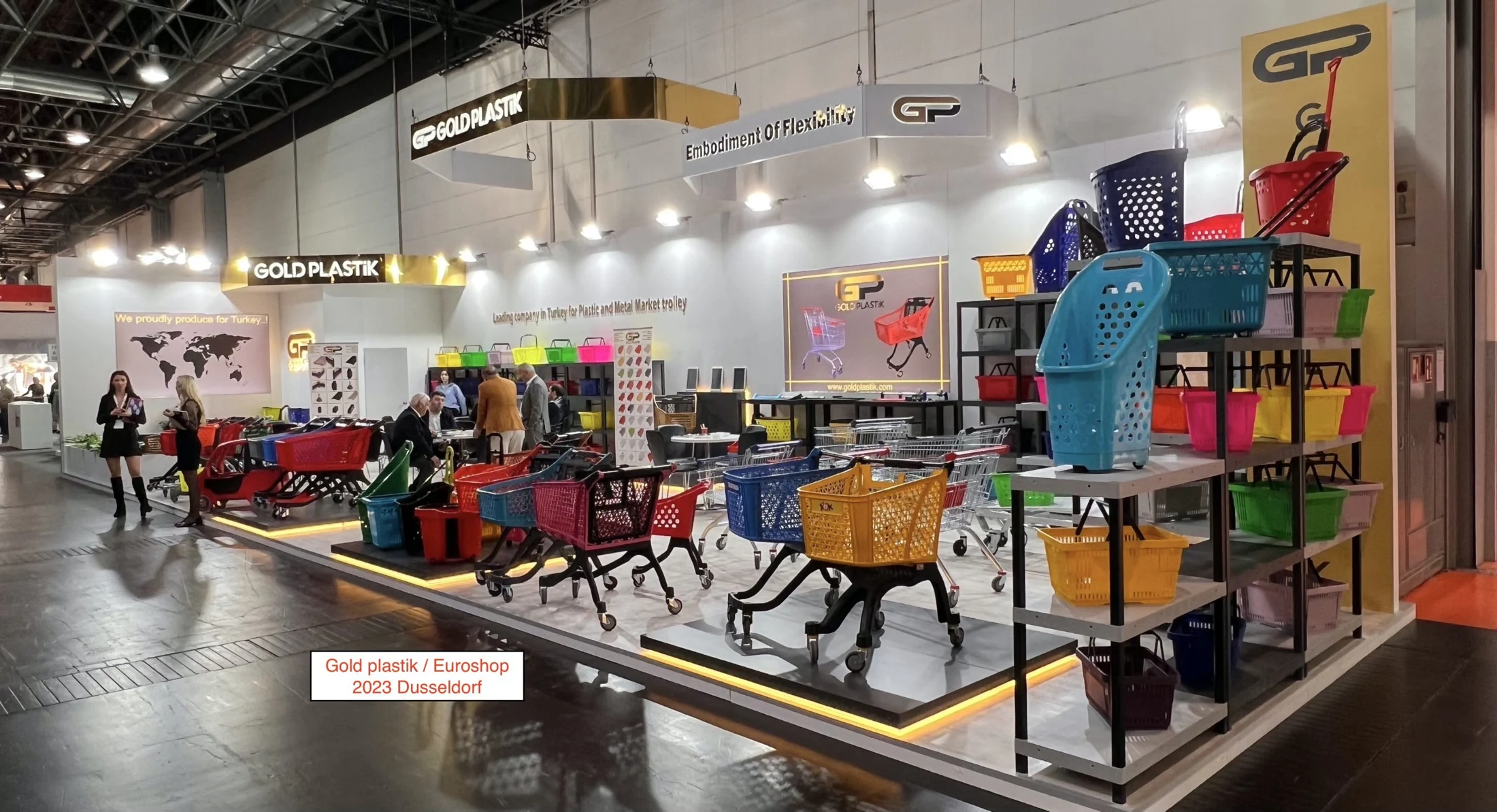
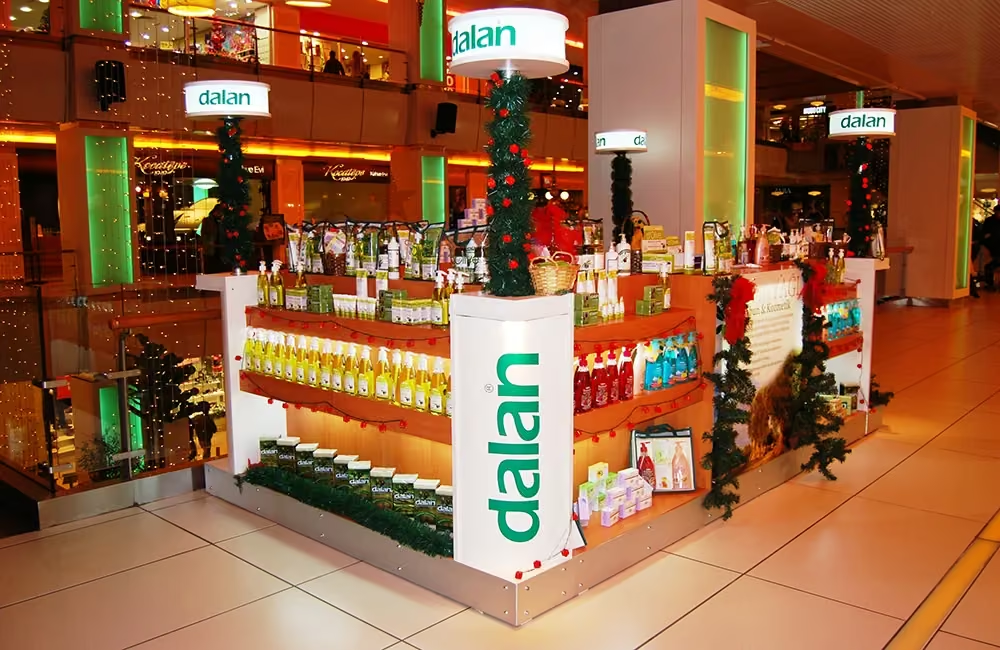
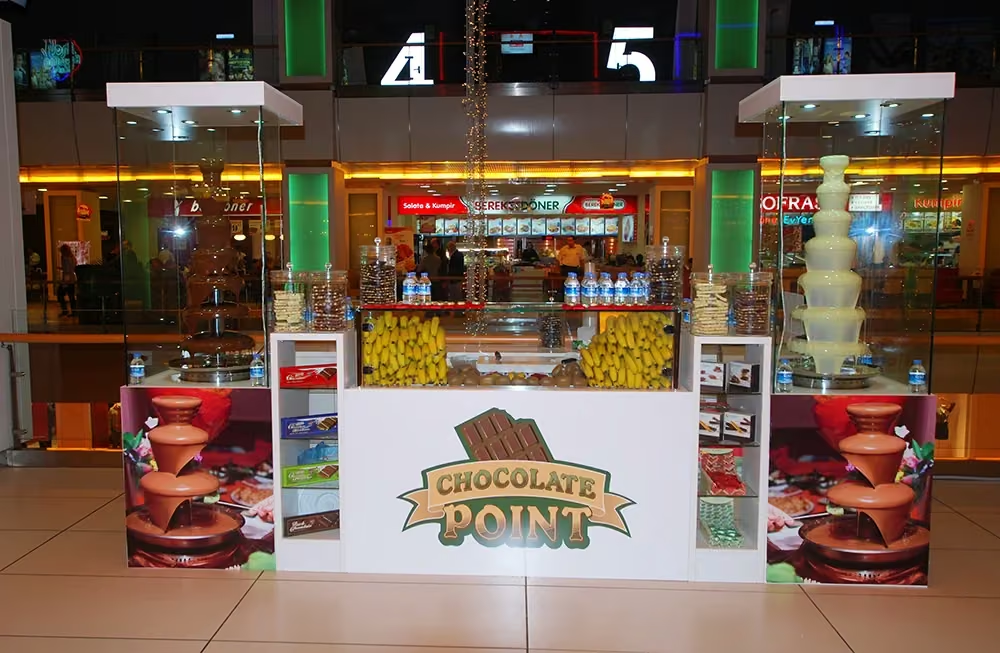
Display solutions shaped by product dimensions, weight, use and setting. For exhibitions, showrooms and retail spaces, we make products visible and accessible.
A product display should make the product visible and easy to examine and access. For exhibitions, showrooms and retail, we start with product dimensions, weight, quantity and use. Visual impact is considered alongside structural support, layout and everyday use.
01
Dimensions and support
Shelf spacing, display height and base dimensions follow the actual product size. The total quantity matters as much as the weight of one item. Visitor interaction, including handling a product or trying a mechanism, should inform the design from the start.
02
Materials and setting
Wood-based surfaces, metal supports and transparent displays are assessed for each project. Alongside appearance, we consider cleaning, frequency of use, impact and transport conditions. Materials and connections are not selected from visuals alone.
03
Branding and product arrangement
Logos, colours, information and lighting should support the product rather than compete with it. Side-by-side collections, different product sizes and stock storage influence the layout, as does the display's relationship with the surrounding space.
Use and scope
Exhibition, retail, showroom: one product, different needs.
Temporary or long-term use
Portability and assembly matter at exhibitions; frequent use and integration with the space may be priorities in retail and showrooms. Knowing the setting, duration and product access requirements helps define suitable materials and dimensions.
What should you compare when choosing a manufacturer?
Review relevant projects, material specifications, dimensions, quantities and the delivery scope together. Two proposals for the same visual design may differ in surfaces, supports, packaging and installation.
Our process
From product information to production and delivery.
Understand the product and its use.
Share product photographs, dimensions, weight and display quantities. Let's review the installation setting through photographs or plans and discuss how the product will be used.
Define dimensions and materials.
Agree the layout, supports, finishes, graphics and any lighting requirements. Discuss quantities, sample needs and delivery conditions at the proposal stage.
Plan production and delivery.
Build a production plan around the approved dimensions and specifications. Define packaging, transport, onsite assembly and delivery to multiple addresses separately.
Preparing your enquiry
For a useful proposal, what should you share?
We can start the review with the information below and discuss any requirements that are still being defined.
Product photographs, dimensions and weights
Products per unit and number of display stands required
Exhibition, retail or showroom setting and available dimensions
Product access, demonstrations, lighting and storage needs
Logo, brand colours and preferred surface finish
Delivery address, target date and assembly requirements
Product display stand design and production clear answers.
What is a product display stand used for?
It presents products clearly and makes them visible and accessible. The layout supports examination, comparison and presentation according to the exhibition, showroom or retail setting.
How are materials selected?
Product dimensions and weight, visitor interaction, the setting and intended appearance are assessed together. These determine supports, surfaces and protective details.
Is a product sample needed to start the design?
Photographs, dimensions and weight are enough for an initial review. A sample or technical drawing may be needed to assess connections, balance or practical use.
The next step for your product
Let's design a stand around your brand.
Share your product dimensions, setting and quantities. Let's define the design, production and delivery scope together.