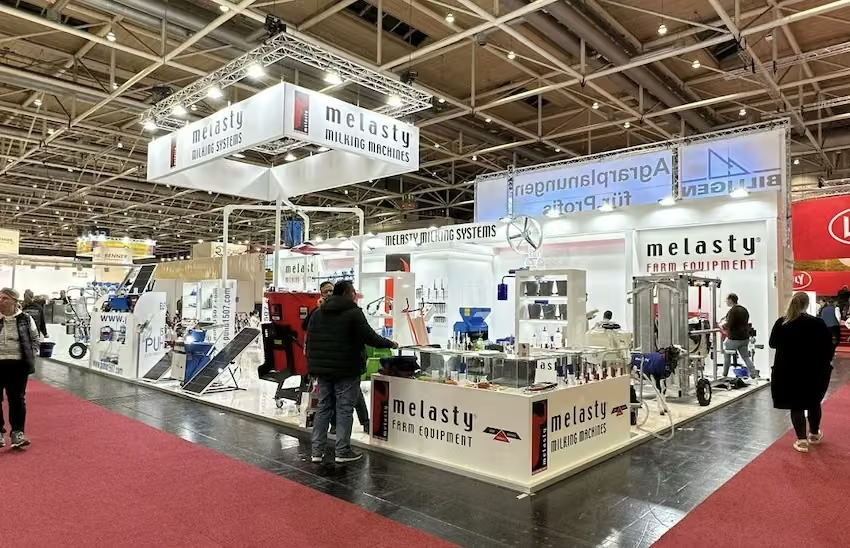
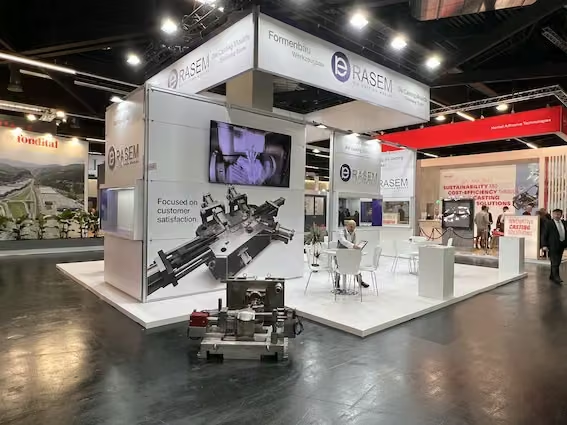
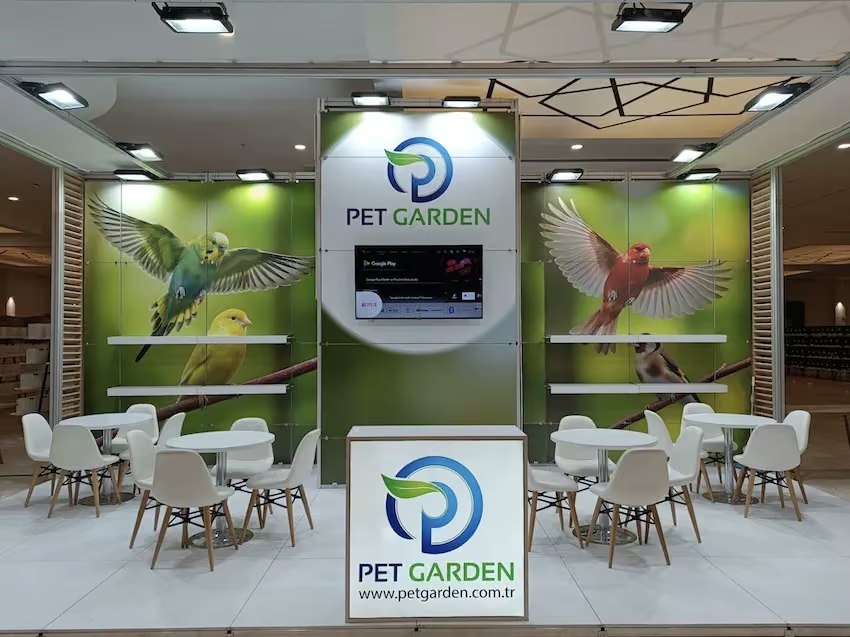
Architectural individuality
Consider a wooden stand for a product-specific space, an unusual form or a complete brand environment. Surfaces, light and displays can be developed within one design language.

Updated:
Consider Maxima if you need a modular system that can be reconfigured for different exhibitions; consider a custom wooden stand if product-specific architectural forms and finishes are your priority. Both can be tailored to your brand. Choose around your products, floor plan and future exhibitions. For regular exhibitors, ownership lets you reuse suitable components while preserving brand identity.
A custom wooden stand is shaped through brand-specific architectural forms and finishes. Maxima combines a modular structure with graphics, panels and display elements. The right choice depends on your products, visitor interactions and plans for future use.
| Decision point | Custom wooden stand | Maxima stand |
|---|---|---|
| Design freedom | Suitable for distinctive volumes, custom surfaces and brand-specific architectural details. | Brand identity is developed through graphics, showcases and lighting within a modular system. |
| Product display | Platforms, niches and display units can be designed for specific products. | Compatible showcases, shelves and product units create a structured display layout. |
| Adapting to a new space | Assess which components can be retained and which need to be remade for the new dimensions. | Review the modules against the new layout and consider different configurations. |
| Reuse | Must be designed for dismantling and reinstallation; not every wooden build is suitable. | Reuse can be planned if component condition and compatibility with the new space allow it. |
| Installation time and preparation | Custom manufacture, connections and finishes influence assembly. Workshop preparation and the onsite sequence follow the venue's installation timetable. | Prepared modules can simplify assembly. A firm duration requires details of graphics, equipment, floor area and organiser conditions. |
| Storage and transport | Packing must protect custom finishes and larger components. | Components are separated and labelled to support packing and inventory management. |
Consider a wooden stand for a product-specific space, an unusual form or a complete brand environment. Surfaces, light and displays can be developed within one design language.
Consider Maxima to maintain a structured system across exhibitions and adapt layouts to new spaces. Adaptation is assessed after reviewing the new dimensions and open sides.
For regular exhibitions, choose your system alongside ownership and reuse plans. Suitable components you own can carry your exhibition identity into future events.
Maxima is one modular stand solution; not every modular stand is Maxima. Structural dimensions and connections should be assessed alongside panels and display elements.
For wooden stands, MDF, melamine-faced panels, paint and veneer are selected around product presentation. Glass, metal and lighting details can be incorporated. Maxima depends on the compatibility of aluminium profiles, panels and graphics. Materials and finishes are defined within the project scope in both systems.
LED screens, digital presentations and QR links can be used with either system. Screen weight, structural supports, power points and cable routes must be planned in advance. Visitor access and equipment for live product demonstrations are part of the layout.
A project may combine a modular structure with custom counters, showcases or display elements. Component compatibility, transport, assembly and future use matter alongside appearance.
A stand you own, designed for reinstallation, can preserve brand identity while your displays evolve. When selecting a wooden or Maxima system, define which components become yours and which can be reused.
Reusing suitable components may reduce new production and material waste, depending on component condition and the next project's requirements. For international events, consider transport and the onsite schedule alongside this plan.
Explore international delivery scope →Yes. Graphics, colour, lighting, showcases and layout can create a tailored presentation. The system's dimensions and connection requirements form part of the design.
Suitable reusable components should be identified during design. Reuse of the entire stand cannot be promised before dismantling methods, material condition, packing and the new space have been reviewed.
Yes. For regular exhibitions, consider the system, reinstallation and storage together to develop the long-term value of ownership. Components transferred into your ownership are identified separately.
Custom wooden stands emphasise brand-specific forms and finishes. Maxima uses detachable profiles and adaptable modules. For both, floor dimensions, product displays, graphics and equipment are reviewed together. Reuse of suitable purchased components can also be planned for regular exhibitions.
There is no single duration for every project. Stand size, multi-level structures, custom elements, graphics, equipment, team arrangements and permitted working hours all matter. Prepared Maxima modules can simplify assembly, while workshop preparation is also important for wooden stands. The duration is agreed against the approved design and venue schedule.
Consider Maxima when reinstallation and adaptation are priorities, or a wooden stand when distinctive architectural forms and product-specific surfaces matter most. Review venue rules, transport, packing, the onsite timetable and future exhibitions together. Reusable components and delivery responsibilities should be identified at the start for either solution.
These projects illustrate wooden and Maxima design and installation. Usage and ownership arrangements are defined separately for each project.
Share your exhibition, floor plan and products. Let's define the design and delivery scope together.
Request a Custom Stand Quote